When Honesty Becomes a Performance: The Hidden Cost of Sharing Too Much
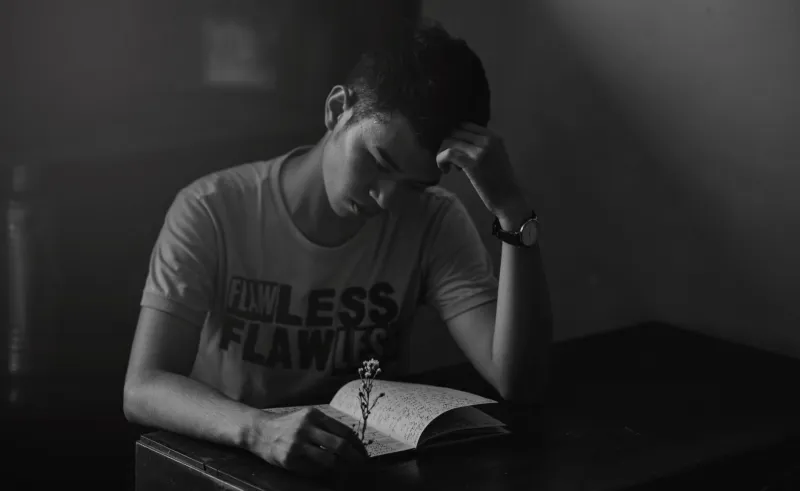
Somewhere between the rise of "authentic content" and the current era of confessional social media, a strange thing happened. Vulnerability stopped being a byproduct of genuine human connection and became a content strategy.
You've seen it. The carefully lit photo paired with a caption about hitting rock bottom. The LinkedIn post where someone walks through every embarrassing mistake they made before landing their dream client. The YouTube creator who opens every video with a reminder that they're "just figuring it out like everyone else." It's everywhere — and honestly, it used to work. But something has shifted.
People are getting tired. And the irony is that the creators who leaned hardest into radical honesty are often the ones audiences are quietly pulling away from.
The Promise of Vulnerability (And Where It Breaks Down)
Brené Brown's work on vulnerability changed the cultural conversation in a real way. The idea that showing up imperfectly makes you more human, more trustworthy, more connected — that landed because it's true. In real life, the friend who admits they're struggling is the one you actually trust. The colleague who owns a mistake becomes easier to work with. Vulnerability builds bridges.
But here's what gets lost in translation when that principle moves online: context collapses.
In a real conversation, vulnerability is a response. It's situational. It happens because the moment calls for it. Online, vulnerability gets scheduled. It gets drafted, revised, posted at optimal times, and measured in engagement metrics. The second you start planning your rawness, something fundamental changes — even if your feelings are completely genuine.
The audience can feel that shift, even if they can't name it.
There's a Word for Planned Rawness, and It's Not Authentic
Here's the uncomfortable part: strategic self-deprecation isn't the same thing as honesty. It can look identical from the outside, but the intent is different — and intent shapes everything about how content lands.
When someone shares a failure because they genuinely processed it and think it might help someone else, that reads as generous. When someone shares a failure because they know failure content performs well, that reads as something else entirely. It might not even be conscious. A lot of creators aren't cynically manufacturing emotion. But they've been rewarded so many times for a certain kind of post that they start reaching for that format even when the situation doesn't organically call for it.
The result is a feed full of people performing struggle. And audiences — especially American audiences who've been marketed to their entire lives — have finely tuned detectors for performance.
Why Over-Sharing Actually Creates Distance
This is the paradox nobody warns you about: the more you expose, the less relatable you can become.
Relatability isn't built on volume of disclosure. It's built on resonance. One specific, well-placed detail that captures something true about human experience will connect more deeply than ten paragraphs of emotional unpacking. Think about the writers, podcasters, or creators who actually make you feel seen. Chances are, they're not the ones who tell you everything. They're the ones who say one precise thing that makes you think, how did they know?
When someone shares too much, too often, a few things happen psychologically. First, the audience loses their role in the story. Part of what makes vulnerability connecting is that it invites the other person to fill in gaps with their own experience. Over-explanation closes that door. Second, constant exposure to someone else's unfiltered emotional landscape is actually exhausting. We process other people's pain empathetically, and there's a limit to how much of that we can sustain before we start protecting ourselves by disengaging.
Third — and this one stings — it starts to feel like a transaction. Like you're being asked to witness something in exchange for the creator feeling better about sharing it.
What the Most Compelling Creators Actually Do
Pay attention to the people in your field who have built real, lasting audiences. Not viral moments — actual sustained trust. You'll notice something consistent: they're selective.
They don't share every failure. They share the ones that illuminate something larger. They don't perform humility constantly. They demonstrate it occasionally, in ways that feel earned. They keep things private — not because they're hiding, but because they understand that mystery and restraint are their own form of respect toward an audience.
There's also something worth noting about timing. The most powerful vulnerability usually comes after someone has moved through an experience, not while they're in the middle of it. Processing in public in real time often creates content that centers the creator's emotional release rather than the audience's experience of it. Waiting — even just a little — creates the distance needed to shape a story that actually serves someone else.
The Privacy Question Nobody Asks
Here's a reframe that might be useful: instead of asking how much should I share, ask what do I want to keep for myself?
That question changes the dynamic entirely. It positions you as someone with an interior life that exists independently of your content. It signals that you have a self that isn't for public consumption — and that's genuinely compelling. People are drawn to depth they can sense but not fully access. That's not manipulation; that's just how human curiosity works.
Keeping something private isn't dishonest. It's a form of self-respect that audiences can feel, even when they don't know exactly what you're holding back.
Finding the Real Line
None of this means you should stop being honest. Genuine transparency is still one of the most powerful tools in any creator's kit. The goal isn't to perform polish any more than it is to perform rawness.
The line — and it's a real one, even if it's blurry — is between sharing something because it's true and useful versus sharing it because it's true and uncomfortable to hold alone. The first is a gift. The second is offloading.
Your audience isn't your therapist. They're also not your judge. They're people who showed up because something about your perspective resonated with them. The best thing you can do is stay honest about the things that actually serve the connection — and be thoughtful enough about yourself to keep the rest close.
Vulnerability at its best isn't about exposure. It's about trust. And trust, as anyone who's built anything real will tell you, is built slowly, carefully, and never all at once.